Family-friendly Siargao at a glance
Siargao Island offers an easygoing coastal rhythm that suits families seeking low-key adventure and plenty of outdoor time without long overland transfers. For English-speaking travelers, key arrival points typically involve a domestic flight into Sayak Airport (Siargao) via Cebu or Manila connections, followed by short drives toward the island’s central hubs. General Luna is the main activity center with easy access to shorelines, eateries, and tour departures, while Burgos and nearby hamlets provide quieter stretches of sand and a gentler pace for multigenerational groups. Seasonal weather matters: months with calmer seas usually fall in the drier part of the year, which tends to make lagoon visits and short boat trips more predictable; conversely, the surf season brings larger waves that are better appreciated from shore for younger children. Transfer options around the island are straightforward—tricycles for short hops, private vans for larger family groups, and brief boat links for nearby islets—so planning itineraries with minimal repeated transfers helps reduce stress when traveling with kids.
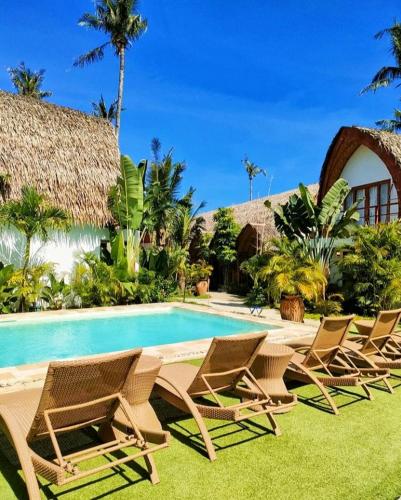
Budget planning for families should reflect a mix of day activities and transport needs. Typical family budgets vary depending on activity choices: simple days of beach play, local markets, and short guided walks keep costs modest, while lagoon excursions and private island-hopping trips increase daily expenses. Health and safety considerations are easy to address with basic preparation: local clinics and medical points are available on the island for common travel issues, though more complex pediatric needs may require referral to larger facilities off-island. Packing light with family essentials—sun protection, water shoes, basic first-aid items, and motion-sickness remedies—streamlines time spent preparing each day. For families booking stays via Agoda, choosing accommodations near the activities planned for each day minimizes transit time and makes it simpler to return for naps, meal breaks, or rainy-day downtime.
Safe seaside spots for little ones
Families with toddlers and young children benefit from choosing sheltered beaches and calmer bays where water entry is gradual and currents are minimal. Pacifico and Alegria are examples of quieter shorelines where the swell tends to be gentler than exposed breaks; look for wide sandbars and shallow sections that allow kids to paddle safely under supervision. Timing beach visits around low-to-mid tide windows often reveals broader sandy expanses and shallower water, but tide charts should be checked daily because rock formations and submerged shelves can change safe entry points. Observing local swimmers and asking nearby vendors or community members about daily conditions provides an immediate, practical sense of safety. Simple shore-side rituals—designating a shaded base, using bright swimwear so children are always visible, and setting short timed play sessions—keeps energy up and reduces fatigue-related risks.
Beach gear choices make a tangible difference for family comfort and safety. Water shoes or reef booties protect little feet from sharp shells and rocks while sunscreen with high UVA/UVB protection and protective clothing help prevent sunburn during long sand sessions. A small collapsible shade and lightweight blankets create a comfortable spot for snack breaks and naps, and a basic whistle or bright band for each child helps maintain visual contact in busier areas. For seniors or children with limited mobility, seek shorelines with gradual slopes and avoid rocky access points; where sandy walk-ins exist, plan shorter periods by the water with frequent rest breaks. Always watch for posted warnings and local advice about rip currents—if any are present, opt for more protected coves or shift the day to a shore-based activity like a boardwalk or shaded market visit.
Kid-approved natural wonders and calm water experiences
Siargao’s natural features contain several family-friendly highlights that pair short walks with memorable encounters. Magpupungko rock pools, best visited at low tide, form calm shallow pockets teeming with small fish and safe splash zones for supervised children. Check tide tables in advance—local schedules indicate best viewing windows—and arrive mid-morning to combine lower crowds with clearer saltwater pools. When approaching rocky areas, children should wear sturdy water shoes and be guided step-by-step; the surface can be uneven and slippery when wet. Short boardwalks through mangrove patches offer another gentle nature fix: these shaded walks provide birdwatching and a close-up look at coastal ecology without long treks, and they usually accommodate strollers for short distances where paths are flat.
For families seeking calm water options beyond rock pools, sheltered bays and lagoon edges present safe paddle zones and gentle exploration spots. Paddleboarding or simple floatation-assisted paddles in still water sections let older kids experience being on the water with minimal wave exposure, while younger children can enjoy shoreline splash time under close supervision. Choose excursions led by guides with family experience when venturing to isolated spots—those guides typically time departures to avoid rough patches and know where shallow sandbars appear. When selecting any natural-activity day, build in conservative margins for supervision, bring waterproof bandages and a small first-aid kit, and prioritize shorter visits so energy levels stay high and safety remains manageable for everyone in the group.
Island hopping routes families prefer
Island hopping around Siargao can be a highlight for families when routes and timing are chosen with little ones in mind. Shorter crossings that keep travel time under an hour reduce restlessness and motion-sickness risk, so prioritize nearby islets and sheltered anchorages rather than full-day open-sea treks. Popular family-friendly loops often depart from General Luna and aim for calm bays with gradual sandbars for easy boarding and splash zones for younger children. Look for itineraries that include multiple short stops—snack breaks on sheltered sandbanks, brief guided shallow snorkeling in protected coves, and a relaxed lunch at a shady shoreline—rather than long stretches of motoring followed by a single activity. Those short-stop formats let parents pace the day around children’s nap and snack schedules, and they make it easier to return to shore quickly if weather changes or energy levels drop.
Packing and preparing for family island-hopping adds ease to the day. Waterproof dry bags for spare clothes, hats, sunscreen, and snacks are essential; keep a small, easy first-aid kit and motion-sickness remedies accessible in a front storage area. For very young children, plan seating near the middle of the boat for the smoothest ride and bring lightweight flotation aids that fit under adult supervision rather than relying on large lifejackets that may intimidate toddlers. Communicating with the boat crew ahead of departure about family needs helps: ask about average trip duration, planned stops, shaded spaces on the vessel, and where restrooms are available if applicable. Choosing operators familiar with family groups often means more predictable pacing, shorter transfer times to boarding points, and staff who can assist with getting children safely on and off the boat.
Gentle snorkeling and marine life viewing for children
Shallow reefs and sheltered lagoons around Siargao are ideal for introducing children to snorkeling without exposing them to strong currents or deep drop-offs. Seek out protected coves where reef formations lie close to shore and water visibility is good but calm—these spots typically host colorful reef fish and small marine life that captivate kids with minimal risk. For first-time snorkelers, surface floaters and child-specific masks are practical: they help build confidence while an experienced adult or guide provides gentle guidance. Short guided sessions, often 30 to 60 minutes in duration, strike the right balance for attention spans and reduce fatigue; schedules that begin mid-morning when waters are clearer and winds are lighter tend to produce the best visibility and a more enjoyable experience for little ones.
Safety and comfort are top priorities for family snorkeling. Always test equipment for fit and comfort before entering the water, and start in ankle- or waist-deep zones so children can acclimate while still touching the bottom. Teach very simple rules—no touching the reef, keeping faces down but breath relaxed, and staying within arm’s reach of the supervising adult—to create boundaries that are easy for kids to remember. For families seeking a slightly more curated experience, choose local guides who specialize in beginners and family groups: they can highlight easily spotted species, help with mask fitting, and select micro-locations where marine life congregates without strong surge. Lastly, use reef-safe sunscreen and long-sleeve swim shirts to protect children’s skin while minimizing impact on coral life, and plan very short snorkeling windows interspersed with breaks on shaded parts of the shoreline.
Family surf options and beginner lessons for teens and tweens
Surfing on Siargao is often associated with powerful breaks for experienced riders, but there are several gentle learner zones suitable for teens and older tweens who are ready to try standing up on a board. Lesson structures for families typically start with land-based instruction covering basic paddling, pop-ups, and safety signals, followed by controlled practice in shallow learner breaks with soft, rolling waves. Private lessons or small-group sessions are recommended for younger learners since instructors can tailor the pace and offer closer supervision; group lessons work well for older children who already have a basic swimming comfort level. Lesson lengths of about 60 to 90 minutes are common for first-timers—long enough to build confidence without exhausting energy reserves—and instructors who emphasize water awareness, wave selection, and simple etiquette help teens gain transferable skills quickly.
Choosing the right surf experience for family groups comes down to timing and instructor selection. Morning sessions often present lighter winds and smaller waves, making it easier for learners to stay calm and focused. Verify that instructors use kid-sized softboards and that they place a high value on progression—starting with board control in shallow water before attempting to stand. Parents should arrange a clear handover routine: where children will rejoin the group after a lesson, how to monitor rest and hydration, and who is responsible for any post-lesson transport. For families with mixed abilities, alternate surf lessons for older kids with gentler shore activities for younger siblings so everyone gets a satisfying day without long waits on the beach.
Sugba Lagoon and calm-lagoon excursions suitable for families
Sugba Lagoon is frequently named as a must-see for families because of its glassy waters, emerald color, and sheltered layout that supports a range of calm-water activities. Travel to the lagoon usually involves a short boat ride from a nearby embarkation point followed by a gentle glide through a shaded channel—an experience that feels adventurous without long sea exposure. Once at the lagoon, families can opt for relaxed paddleboarding in the still water, gentle guided swims where shallow edges allow children to play safely, and simple shoreline picnics beneath coconut trees. Timing the visit for mid-morning or late afternoon often results in calmer conditions and fewer boats, making supervision easier and creating better light for family photos.
Logistics and safety considerations help make Sugba Lagoon a stress-free family day. Book excursions with operators who understand family pacing and who allow flexible return times rather than rigid schedules; this gives parents the freedom to shorten the visit if younger children need rest. Pack light essentials—snacks, a sun shade, spare clothes, and a basic first-aid kit—and bring minimal electronics or use waterproof cases to protect devices. If paddling with kids, choose single boards for adults with small children seated in front or tandem boards designed for parent-child pairs. Guides familiar with the lagoon’s shallow edges can point out family-friendly spots where footing is secure and where wildlife sightings occur without disturbing habitats. Finally, consider splitting the day: pair the lagoon visit with a short, quiet beach stop nearby or a gentle village stroll to round out the outing without overtaxing little visitors.
Magpupungko rock pools and tide-aware family planning
Magpupungko rock pools are a magnet for families because they offer natural shallow pools ideal for safe splash time and discovery when visited at the right tide. The pools form only around low tide, so planning with a local tide chart is essential—arriving about an hour before the lowest tide gives the best chance to explore multiple pools with clearer water and visible marine life like small fish and crabs. Families should prioritize early arrival to avoid peak heat and crowds, leaving space for short guided walks along the rock formations and safe supervised play in the pools. Protecting little feet with water shoes and guiding children carefully around slippery rocks keeps excitement from turning into mishaps.
Visiting Magpupungko with family means creating a realistic half-day plan that balances exploration and rest. Since the area can be exposed to sun and wind, bring a light shade, plenty of water, and snacks to keep energy steady. Pair a rock-pool visit with nearby low-effort stops—a short coastal viewpoint or a shaded roadside picnic—to give slower-paced family members a place to relax while more active members continue exploring. When touring the pools, emphasize simple safety rules to kids: stay within sight of the supervising adult, avoid deeper channels unless accompanied, and watch for sudden surges if wind picks up. Local guides or experienced day-trip crews often include Magpupungko as part of a broader route, but families can also plan a focused visit with time buffers to accommodate tide-dependent windows and unhurried returns.
Quiet low-activity days for rest and recovery
Slower days are often the unsung heroes of family trips: they recharge everyone and prevent burnout from back-to-back activities. For those moments, Siargao’s quieter offerings—mangrove boardwalks, small seaside hamlets, shaded picnic spots, and mellow viewpoint strolls—are ideal. Mangrove areas provide short, shaded walks where children can spot birds and tiny crabs while staying out of the direct sun, and the flat, often boardwalked trails make them accessible for strollers and older family members. Shoreline hamlets with slow-paced community life invite gentle cultural exchanges and easy snack hunts without the pressure of a full-day excursion, and they are perfect for families needing a day to regroup between more active outings.
Designing a restful day keeps logistics simple and comfort high. Opt for nearby options that minimize travel time from accommodations, create a loose schedule with plenty of built-in breaks, and plan easy meals and snack windows to avoid hunger-driven mood dips. Bring simple entertainment for children—coloring pads, small toys, and nature-spotting checklists—to extend quiet periods without screen reliance. For mixed-age groups, set parallel activities: a short shady walk for seniors, simple beach play for toddlers, and a relaxed birdwatching or craft stop for school-age kids. Quiet days work best when they are intentionally unstructured; aim for a few gentle points of interest and then let the rhythm of the family determine how long to linger at each spot.
Age-tailored activity ideas from toddlers to teens
Toddlers thrive on short, sensory-rich outings that keep movement and novelty balanced. Gentle beach time with shallow sandbars, supervised splash sessions in Magpupungko rock pools at low tide, and brief mangrove boardwalk strolls offer discovery without long travel or overstimulation. Pack routine anchors—familiar snacks, a small favorite toy, and scheduled nap windows—to keep days predictable. For safety, bring secure flotation aids for water play and water shoes for rocky areas; choose short, single-stop excursions rather than multi-stop island routes so toddlers can settle into one spot and parents can maintain close supervision.
School-age children respond well to slightly longer activities that combine light learning with play: guided shallow snorkeling introductions in calm coves, simple nature scavenger hunts along mangrove trails, and hands-on cultural workshops like market visits or class-style snack preparation that let kids taste local fruit and learn a few basic phrases. Time these activities for mid-morning to avoid late-afternoon fatigue, and aim for sessions of 60–90 minutes with frequent rest breaks. Encourage participation in family-friendly conservation activities—like beach cleanups or reef-safe sunscreen demonstrations—that provide small responsibilities and memorable takeaways.
Teens and older tweens often want more agency and slightly higher-adrenaline options. Beginner surf lessons on gentle learner breaks, longer island-hopping loops that include short swims and shallow snorkeling, and supervised beginner freediving taster sessions appeal to this age group. Aim for private or small-group instruction so progress and safety are individualized. For mixed-age families, structure days with parallel options—teens in a surf lesson while younger kids enjoy a guided beach craft or short nature walk—so everyone gets age-appropriate stimulation without long waits or repeated transfers.
Sample family itineraries for 3-day and 5-day stays
A 3-day family weekend on Siargao optimizes low transit and high-relaxation value. Day one centers on arrival and settling in close to a main hub: short shoreline exploration, a shaded village stroll, and an early dinner timed around children’s bedtimes. Day two focuses on a single active highlight—select either a half-day Sugba Lagoon visit with gentle paddling and shoreline picnic or a short island-hopping loop with two calm stops for easy snorkeling and sand play; keep the afternoon free for naps or a quiet mangrove boardwalk. Day three reserves the morning for Magpupungko rock pools at low tide or a brief surf lesson for teens, followed by an easy transfer to the airport; always allow extra buffer time for check-in and unexpected delays when traveling with kids.
The 5-day family plan broadens the pace, letting families alternate active days and rest days so energy remains steady. Start with arrival and a short acclimation stroll near General Luna. Day two is a gentle lagoon day at Sugba, with paddling and shallow-edge swims scheduled for mid-morning when waters are calm. Day three can be a family-friendly island-hopping day with multiple short stops and a relaxed shoreline lunch—limit boat time to under an hour per crossing. Day four serves as a quiet low-activity day: mangrove walks, a market visit with simple snack preparations for kids, or a short viewpoint walk timed for golden-hour photos. Reserve day five for Magpupungko rock pools in the morning and a short surf introduction or snorkeling session for older kids before departure.
Both itineraries build in contingency options for bad weather—a sheltered market visit, short cultural workshop, or craft session—and emphasize flexible logistics: private short transfers to minimize multiple handovers, and choosing attractions close to the family base to reduce travel time. Meal windows and nap or rest blocks are intentionally placed midday, and active highlights are scheduled for calmer sea conditions typically found in the morning. For families with mixed ages, alternating parallel activities ensures toddlers and seniors have low-effort options while teens and school-age kids get higher-engagement experiences.
Family transport essentials and island logistics
Getting around Siargao with kids benefits from planning around short hops and predictable times. Tricycles are practical for brief trips inside towns and for quick runs to markets or nearby shores—useful for single-child or light-luggage transfers—while private vans offer comfort for larger family groups and smoother rides over unpaved stretches. When island-hopping, select boats with brief crossings and ask operators about seating arrangements to keep very young children near the center of motion for reduced motion-sickness. Create time cushions for every transfer: loading, bathroom stops, and snack breaks often take longer with children, so adding 20–30 minutes of buffer helps avoid rushed nerves.
Child restraint options are limited islandwide, so families traveling with infants or toddlers should bring lightweight travel car seats or approved boosters for added safety and peace of mind. For strollers, compact, foldable models work best—many attractions have short walk-ins and flat boardwalks, but rocky shore approaches and stairs may require carrying. Coordinate pickup times with operators and confirm exact meeting points ahead of arrival; mobile signal and local SIMs generally improve on-island communication, but it’s prudent to exchange backup phone numbers. For multi-family travel, consider grouping luggage and child items in clear, labeled bags to speed boarding and disembarking from boats or vans.
When planning transfers, factor in local scheduling realities: ferry departures, boat weather assessments, and daylight limitations during certain seasons. Port and embarkation points tend to follow informal rhythms—arriving 30–45 minutes before departure is common practice to secure family-friendly seating. Lastly, keep an easy-access day bag with essentials—snacks, sunscreen, spare clothes, basic first-aid, and hydration—so small needs are met without returning to the accommodation between short activities.
Packing checklist for families visiting Siargao
Smart packing reduces stress and makes each day smoother. Essentials include high-SPF reef-safe sunscreen, rashguards or long-sleeve swim shirts, sturdy water shoes for rocky pools and reefs, and lightweight sun hats for all ages. A compact first-aid kit with pediatric dosages for fever and pain relief, antiseptic wipes, adhesive bandages, antihistamine for allergic reactions, and oral rehydration salts is critical. Motion-sickness remedies—ginger candies, wrist bands, and pediatric antiemetics if previously prescribed—are useful for short boat transfers. Bring reusable water bottles with a small filter or choose sealed bottled water to keep children hydrated.
Packing for sleep and comfort matters when sharing rooms or switching locations. Lightweight travel cribs or packable bedding options are convenient for toddlers; familiar sleep items (a blanket or plush toy) help maintain bedtime routines. For day trips, waterproof dry bags protect spare clothes and devices; include a towel, spare swimsuit, and zip-lock bags for wet items. For feeding, pack easy snack staples—nutritious bars, dried fruit, and child-friendly packaged foods—and simple utensils for on-the-go picnics. A small kit of basic travel toys, coloring pads, and a compact set of binoculars or magnifying glass boosts engagement during low-activity periods.
Documentation and convenience items complete the list: waterproof pouches for passports and IDs, printouts or digital backups of travel insurance and emergency contacts, and a compact power bank for charging devices. For toddlers and infants, include lightweight carriers or slings for places where strollers aren’t practical, and consider mosquito-repellent clothing or small plug-in repellents for evening comfort. Finally, pack an extra lightweight rain layer per person during wet-season travel and a few familiar snacks from home to ease picky-eater moments.
Food for the family how to handle meals and kid-friendly dining
Finding food that suits everyone is part strategy and part local discovery. Local markets and roadside stalls are great sources for fresh fruit—mangoes, bananas, and coconuts—perfect for quick refueling. Many small eateries offer rice-and-protein dishes that can be adapted for picky eaters by requesting milder preparations or simpler sides like grilled fish or plain rice. For families, timing meals earlier than local dinner hours often helps: aim for early lunches and family dinners to match children’s sleep schedules. Carry safe bottled water and small water bottles for kids to stay hydrated between outlets where filtered water is available.
When dining out, look for places with shaded outdoor seating or covered areas to avoid midday heat. For toddlers and younger children, bring a small pack of familiar snacks and basic cutlery to bridge gaps when meals take longer. Wet markets provide an opportunity for hands-on experiences—let older kids choose fruit or simple ingredients and talk with vendors about local produce. For families cooking simple meals or preparing picnics, shop at local markets for fresh bread, fruit, and eggs, and assemble easy lunch boxes that travel well for day trips.
Allergies and dietary restrictions deserve attention; communicate clearly with vendors about any food sensitivities and opt for plain-cooked items when in doubt. Introduce local flavors through small bites before committing to a full portion so children can sample without waste. Finally, keep a small selection of shelf-stable staples in the family day bag—crackers, nut-free bars, and rehydration sachets—to avoid hangry moments during transfers or longer outings.
Health, pediatric care and emergency contacts families should know
Siargao has basic medical clinics and health centers capable of handling common travel ailments—minor cuts, dehydration, and routine pediatric needs—but complex cases may require transfer to larger hospitals off-island. Families should identify the nearest clinic and emergency point at arrival and save key phone numbers locally and on multiple devices. A travel insurance policy that explicitly covers pediatric care, emergency evacuation, and sea rescue is strongly recommended, and having copies of allergy information and any chronic-medication lists for children speeds triage in urgent situations.
Prepare a family first-aid kit tailored to island conditions: antiseptic solution, sterile dressings, waterproof adhesive bandages, antihistamines, oral rehydration salts, and pediatric formulations of common medications (paracetamol/acetaminophen appropriate to age/weight). Include supplies for marine-related minor issues—vinegar or baking soda for certain jellyfish first-aid protocols per local guidance, sting-relief packs, and wound-cleansing tools. Also carry copies of vaccination records, any prescriptions with generic drug names, and contact details for a primary pediatrician at home who can advise remotely if needed.
Emergency planning is practical: establish a family meeting point at busy beaches or markets, know basic local emergency numbers, and consider a simple waterproof card for each child listing name, guardian contacts, allergies, and medical conditions. For families with special medical needs, arrange pre-travel coordination with a local operator or accommodation host to confirm proximity to medical care and potential transport options in case of transfer to a larger facility off the island.
Safety-first tips for families on sea and shore
Teaching simple water-safety rules creates predictable behavior that’s easy for children to remember: always swim within arm’s reach of an adult, avoid entering water alone, and never climb on wet rocks without shoes. For beaches with variable tides, check local tide charts and ask community members about daily conditions before entering. Identify safe entry and exit points with gradual slopes or wide sandbars for younger children and pick times when winds are lighter and surf is smaller—usually mid-morning hours—so visibility and control are better.
Rip currents and changing underwater topography can present hazards; parents should teach children to float and signal for help rather than fight a current. Observe posted warnings and speak to local lifeguards or community watch volunteers where available. On boats, seat children centrally and keep life vests accessible even when not strictly required—comfort and fit matter more than bulk for compliance. For rocky spots like Magpupungko, enforce shoes at all times, take slow guided steps, and use hand-holds where available to prevent slips.
Sun protection and heat safety are equally important: reapply reef-safe sunscreen frequently, use sun-protective clothing, and create shaded rest intervals to avoid heat exhaustion. For longer outings, schedule frequent hydration and snack stops to maintain energy, and carry a charged phone with local SIM and emergency contacts. Finally, establish simple emergency protocols—designate a meeting point, carry a small whistle for each child, and ensure at least one adult in the group knows basic first-aid and CPR.
Budgeting for a family trip realistic costs and money-saving ideas
Budgeting for Siargao centers on balancing transport, activity fees, food, and small daily incidentals. Typical family costs vary by style: conservative families who limit daily island hops and opt for local markets can keep daily expenses modest, while families including multiple guided excursions and private transfers will see higher totals. Anticipate transport fares for short tricycle hops, private van hires for longer transfers, and one or two half-day boat hires for family-friendly island hopping. Booking some activities and transfers through Agoda in advance can lock in family-friendly options and often secure better rates for group bookings.
Money-saving tactics are practical and family-focused: share larger transport options among several families to split costs, prepare picnic lunches from market buys instead of dining out for every meal, and limit long boat crossings in favor of shorter, multiple-stop itineraries that reduce fuel surcharges. Take advantage of local wet markets for fresh fruit and fill water bottles at verified refill points to avoid constant bottled-water purchases. For activities, choose shorter guided sessions or group lessons for older kids rather than full private hires where the price premium may be high.
Consider seasonal timing as a budget lever: traveling just outside peak surf season can lower rental and activity prices while still offering calm seas for family safety. Finally, leave a small contingency fund for unexpected needs—extra transfer time, minor medical items, or weather-related changes to plans—so the family can adapt without financial stress.
Where families tend to stay neighborhood pros and cons
General Luna is the island’s activity hub and appeals to families who want close proximity to eateries, markets, and departure points for tours. Staying nearby reduces transit time to main attractions like lagoon pick-up points and island-hopping embarkations, which is useful for wave-weary children or tight nap schedules. The trade-off can be more foot traffic and livelier evenings in certain pockets, so choosing quieter streets within the area helps balance convenience with restful nights.
Burgos and neighboring hamlets offer quieter shoreline access and a slower pace that suits multigenerational groups or families seeking less bustle. These areas often provide direct access to calm bays and simpler village experiences but require longer transfers to central activity points, which might make day planning slightly more complex for families wanting multiple varied outings. For seniors or families needing low-activity days, Burgos’s gentler rhythms and nearby shorelines often present a more relaxed daily pattern.
Small outlying villages and hamlets present the most tranquil environment and a chance for closer cultural exchange, though practical trade-offs include fewer dining and market options within immediate walking distance and longer rides to clinics or tour launches. Choosing a base that fits the family’s priority—convenience for activities, quiet for rest, or cultural immersion—ensures daily rhythms align with what keeps everyone comfortable and engaged.
Accessible attractions and tips for toddlers and seniors
Siargao has several attractions suited to limited-mobility visitors: short boardwalks through mangroves, low-step beach entries at certain sheltered coves, and easy-access viewpoints with minimal stairs. For toddlers and seniors, focus on short, level walks and avoid long rocky approaches or steep staircases common at some coastal lookouts. When planning visits, map out the route in advance and confirm whether pathways are stroller-friendly—compact wheels fare better on boardwalks than on loose sand or rock.
Transport choices matter: arrange pick-up points as close as possible to attraction entrances and, when available, request drop-offs that minimize walking. For group days, splitting activities into paired options—one low-effort shore stop for mobility-limited members and a slightly more active option for others—ensures everyone gets a fulfilling day without overtaxing anyone. Carry lightweight foldable seating or a compact travel chair for seniors who may need frequent rests during short walks, and allow longer time buffers to account for slower paces.
If stairs or rough terrain are unavoidable at a favorite spot, consider adaptive alternatives like viewing from a shaded shoreline, enjoying a picnic near accessibility points, or booking a short lagoon trip that keeps motion minimal while still offering the scenery. Communication with local guides and drivers ahead of time ensures awareness of mobility needs and allows small adjustments—like choosing quieter launch sites or avoiding long beach carries—that make visits more comfortable for toddlers and seniors alike.
Family photography and kid-friendly viewpoints
Capture memorable family photos by selecting safe, easy-to-access vantage points and timing visits for soft morning or late-afternoon light. Shaded cliffs with railings, mellow sandy headlands, and sheltered bay edges make reliable backdrops that keep children comfortable while offering dramatic sea views. Encourage candid shots—children exploring rock pools or sharing a snack—rather than long posed sessions, as these often produce the most natural and joyful images.
Simple composition tips help include kids naturally: frame family members interacting with a clear focal point like a bright beach towel, a paddleboard, or a small boat; keep horizons level and avoid crowded backgrounds by adjusting angles slightly toward open water. Bring a lightweight tripod or a compact selfie-stick for steady group selfies, and use quick-shutter burst modes to catch spontaneous smiles and action moments. For safety, always maintain a safe distance from cliff edges and slippery rocks and instruct children to sit or stay on stable ground while photos are taken.
If preserving memories with minimal gear, use a single waterproof case for a smartphone and rely on natural light. Capture short video clips of simple moments—splashes, market discoveries, or sunset silhouettes—for a dynamic family travel reel. Finally, respect privacy: avoid intrusive shots of local children without consent and engage locals if including them in portraits, offering a polite greeting and, when appropriate, a small token of thanks.
Cultural experiences and hands-on activities for families
Local markets and small community workshops provide gentle windows into island life for families. Market visits energized by fresh fruit stalls and simple snack counters are great low-pressure cultural stops—let older kids pick a piece of fruit to try and ask vendors about how it’s grown or used locally. Short craft workshops led by community artisans offer hands-on activities such as simple weaving or beadwork that older children can manage while younger ones enjoy supervised beach play nearby. These experiences forge memorable connections without lengthy travel or strenuous activity.
Respectful engagement is key: choose small-scale, locally run experiences instead of large tourist attractions to support the community directly. Dress modestly when visiting community spaces, ask permission before photographing people, and approach cultural workshops with curiosity and politeness. For families with very young children, find workshops that allow quick exits and flexible pacing; many small-group hosts welcome family participation and can adapt activities to include simpler tasks for toddlers.
Seasonal events and festivals add color to family itineraries when timing aligns—short parade views, food stalls with safe tasting options, and community performances that last an hour or less are ideal. Prioritize experiences that are short and interactive, and balance cultural stops with restful pauses so children and elders have time to process new sights without becoming overwhelmed.
Responsible family travel and eco-conscious activities
Families can model low-impact travel through small, consistent choices that also teach children stewardship. Simple actions—using reef-safe sunscreen, avoiding single-use plastics, and following local guidance on wildlife interactions—reduce footprints and set a positive example. Participate in family-friendly beach cleanups or short conservation talks that often welcome volunteers of all ages; these activities combine light physical activity with meaningful local engagement and a tangible take-home lesson for kids.
Choose low-impact tours that prioritize small group sizes, limit anchorings near sensitive coral, and follow designated pathways in mangrove and coastal zones to avoid trampling vegetation. Teach children to observe wildlife at a distance and to refrain from touching coral or chasing animals. Bring reusable snack containers and water bottles to reduce waste during day trips, and involve kids in small chores like sorting recyclables or collecting litter for a short stretch of beach to instill practical habits.
When booking guides or workshop hosts, favor operators who employ local community members and who share a clear conservation ethic. These choices help ensure tourism supports local livelihoods while protecting natural assets that families come to enjoy. Framing eco-conscious decisions as family challenges—such as a zero-plastic day or a beach-litter collection goal—turns responsible travel into an engaging activity for all ages.
Local guides and tour operators experienced with families
Identifying family-friendly guides begins with simple vetting: ask about typical group sizes, average activity durations, and how operators adapt pacing for children and seniors. Operators experienced with families usually offer shorter half-day options, flexible return times, and safety-conscious practices like prioritizing sheltered bays and shallow snorkeling sites. Inquire about instructor-to-child ratios for surf or snorkeling lessons and whether guides carry family-oriented safety gear and basic medical kits.
Expect family-focused operators to suggest clear meeting points, confirm pick-up times that account for earlier bedtimes, and provide pragmatic advice about what to bring for kids. They will often tailor itineraries—splitting active and restful blocks during a single day—and can recommend alternate sites on days when wind or swell make a planned route unsuitable. Reading recent family reviews and asking for references helps verify an operator’s track record with children and multigenerational groups.
When booking, request clear cancellation and weather policies that allow flexible timing for families and ask whether operators have experience handling minor emergencies. A short pre-trip conversation about family needs—food allergies, mobility constraints, and comfort with water—ensures a smoother outing. Finally, consider operators who offer bilingual guides or straightforward English communication to improve clarity and comfort for English-speaking families.
Seasonal planning for family trips best months and weather considerations
Siargao’s calmer sea conditions typically occur outside peak surf season, making the drier months preferable for family trips focused on calm lagoons, island hops, and rock pools. Aim for windows when winds are lighter and the sea state is predictable, as this reduces cancellations and increases chances for clear snorkeling and gentle boat transfers. Consult local seasonal patterns before booking: quieter months often coincide with reduced crowds and more reliable calm-water days, but always have flexible backup plans in case of short-term weather changes.
Wet-season conditions bring heavier rains and occasional stronger winds that can limit boat movements and make exposed beaches less suitable for young children. When traveling during transitional months, build in more low-exposure days—market visits, indoor cultural workshops, or short sheltered walks—so the family can still enjoy island time without excessive cancellations. For time-sensitive visits like Magpupungko rock pools, check tide charts and short-term weather forecasts since storms can alter pool clarity and access.
Advance planning reduces risk: book excursions with flexible cancellation policies, keep at least one alternate low-activity day per week on the itinerary, and pack versatile clothing for sun and sudden showers. Families prioritizing calm seas should consider mid-morning scheduling for nautical activities when winds historically fall lighter, and reserve high-energy activities like surf lessons for the calmest forecast windows to ensure both safety and enjoyment.
Wildlife and nature spotting that excites kids
Siargao’s coastal ecosystems provide regular sightings of reef fish, shorebirds, and small marine life that are accessible to children without venturing far offshore. Shallow reefs near sheltered coves host colorful small fish and occasional clownfish or damselfish that are easy to spot from snorkel depth, making short guided snorkeling sessions highly rewarding. Birdwatching along mangrove boardwalks introduces kids to local seabirds and shore species and can be turned into a simple checklist game to maintain engagement during short walks.
For families, timing matters: early morning and late afternoon often yield the most animal activity and lower heat stress for children. Guided nature walks with a focus on small discoveries—hermit crabs, mangrove seedlings, and rockpool critters—provide hands-on learning without long treks. Keep observation respectful: maintain a gentle distance, avoid chasing wildlife, and use binoculars or small magnifiers to inspect subjects closely without disturbing habitats.
When larger marine sightings occur, such as occasional rays or schooling fish, rely on experienced guides who know safe observation distances and local behavior patterns. Framing nature spotting as a quiet, patient activity helps children learn to observe and appreciate small details—turning a short mangrove stroll or 30-minute snorkel into a memorable wildlife encounter rather than a rushed checklist.
Packing documents, travel IDs and family travel paperwork
Organize travel documents so they are always accessible yet secure. Carry waterproof pouches for passports, IDs, and printed or PDF copies of travel insurance policies that cover pediatric care and emergency evacuation. Keep a small card in each child’s pocket listing name, guardian contacts, allergies, and any critical medical information in case of temporary separation during busy market visits or beach days. Digital backups stored securely in cloud services and a photo of each document on a phone help recover important paperwork if originals are misplaced.
Insurance specifics deserve attention: choose policies that explicitly cover family activities like snorkeling and boat transport, and retain emergency contact numbers for insurers in an accessible place. Bring copies of prescriptions with generic names and doctors’ contact information. For international families, check entry requirements and ensure all traveler identification matches booking records to avoid boarding or check-in delays.
Finally, create an easy-to-use folder or zipped pouch for day trips containing photocopies of IDs, a compact first-aid card, local emergency numbers, and a brief itinerary. Share this information with another trusted adult in the group and store an additional copy in luggage—this redundancy speeds access during any disruption and gives caregivers peace of mind.
Practical tips for bad weather and backup plans
Bad weather need not derail a family trip if alternative low-exposure options are prepped. When seas are rough, schedule sheltered activities like short craft workshops, market explorations with snack stops, or shaded mangrove boardwalks. Local cultural centers and small museums, where available, offer weatherproof hours and short educational sessions appropriate for children. Keep a few go-to indoor activities—coloring kits, simple board games, or short-language lesson cards—that are lightweight but engaging for varying attention spans.
For booked tours, prioritize operators with flexible rescheduling and clear weather policies that permit family-friendly adjustments. When island-hopping or lagoon days are cancelled, pivot to onshore highlights that require minimal transit—quiet beaches with protected coves, a community visit, or an extended relaxed mealtime at a sheltered spot. Having a pre-planned rainy-day bag with waterproof layers, spare clothes, and quick-dry towels reduces friction when moving between sheltered activities.
Communication and a calm approach make backups work: brief children ahead of time that bad-weather days will mean different types of fun, and keep expectations flexible. Use weather windows for shorter, safer activities and reserve high-energy options for forecasted calm days. A small contingency fund for last-minute changes—alternate transport or a private indoor workshop—helps maintain momentum and keeps family moods positive.
How families can capture memories responsibly and respectfully
Photographing people and places with respect enhances the experience for both visitors and locals. Ask permission before photographing community members, and offer a simple greeting or brief explanation when possible. For candid street or market shots, prefer wide-angle frames that capture scenes without focusing on individual faces; when photographing children, always seek explicit parental consent. Protect equipment from salt and sand by using waterproof cases and lens cloths, and keep cameras or phones in padded, zipped compartments when not in use.
Create a family travel album with a combination of quick candid photos, a few posed family portraits at safe viewpoints, and short video snippets that capture sound and movement—children’s laughter, market calls, or waves lapping at the shore. Use minimal editing to preserve authenticity, and back up files daily to a cloud service or a portable hard drive to prevent loss. For privacy-respecting sharing, blur or avoid close-up shots of local faces without permission and maintain sensitivity around religious or community events.
Turn photography into a family activity: give older kids a simple checklist—capture a sunrise, a local snack, or a specific bird species—and celebrate their finds. This makes memory-making interactive and teaches respectful observation. When printing or sharing images online, consider asking a local host or guide whether certain sites or people prefer limited exposure; this reinforces mutual respect and supports responsible cultural exchange.
Frequently asked family questions and common on-island scenarios
Which age is best for snorkeling and surfing? Short, supervised snorkeling sessions suit confident swimmers from about age 6, though supervised float-assisted introductions can work for younger children; surf lessons for standing typically fit teens and older tweens, while balance and board-play activities work for younger kids. Address motion sickness proactively with short crossings, ginger products, and mid-boat seating. Where to find pediatric supplies? Basic clinics on Siargao carry common pediatric medicines; bring essential prescriptions and a stocked first-aid kit for specialized needs. How to handle early ferries or departures? Arrange pickups the night before and confirm meeting points; allow ample buffer time and pack a simple departure snack pack to avoid last-minute hunger meltdowns.
What if weather cancels a lagoon or island-hop day? Opt for low-transport onshore activities—market tours, craft workshops, or shaded mangrove walks—or reschedule the excursion for the calmest window. How to manage mixed-age groups with different activity levels? Split the day into parallel blocks with one adult supervising a low-effort shore experience while others join a more active session; family-friendly operators often accommodate staggered pick-ups. Where to go for minor medical needs? Identify the nearest clinic at arrival and save contact numbers. For true emergencies, local operators can arrange faster transfers to larger medical centers off-island.
How to budget for family activities? Expect to allocate funds for a couple of guided excursions, short private transfers, daily meals, and small incidentals; sharing costs across families and choosing shorter activities reduces per-person expenses. Finally, what documentation is essential? Carry waterproof copies of IDs, travel insurance that covers pediatric care and sea-related activities, and a small note card for each child listing medical information and emergency contacts—this simple preparation resolves many common on-island scenarios quickly and calmly.


 See all


 See all


 See all


 See all


 See all


 See all


 See all



 See all


 See all


 See all

